Are your doodles craving a breath of fresh air from the forest page? Imagine turning simple leaf shapes into intricate Zentangle styles that feel both calming and dynamic.
These ideas blend natural silhouettes with playful patterns to create eye catching compositions you can easily replicate.
Each concept is designed for quick learning, easy repetition, and maximum sharing potential in sketchbooks, journals, coloring pages or digital saves.
Ready to explore these nature driven tangles?
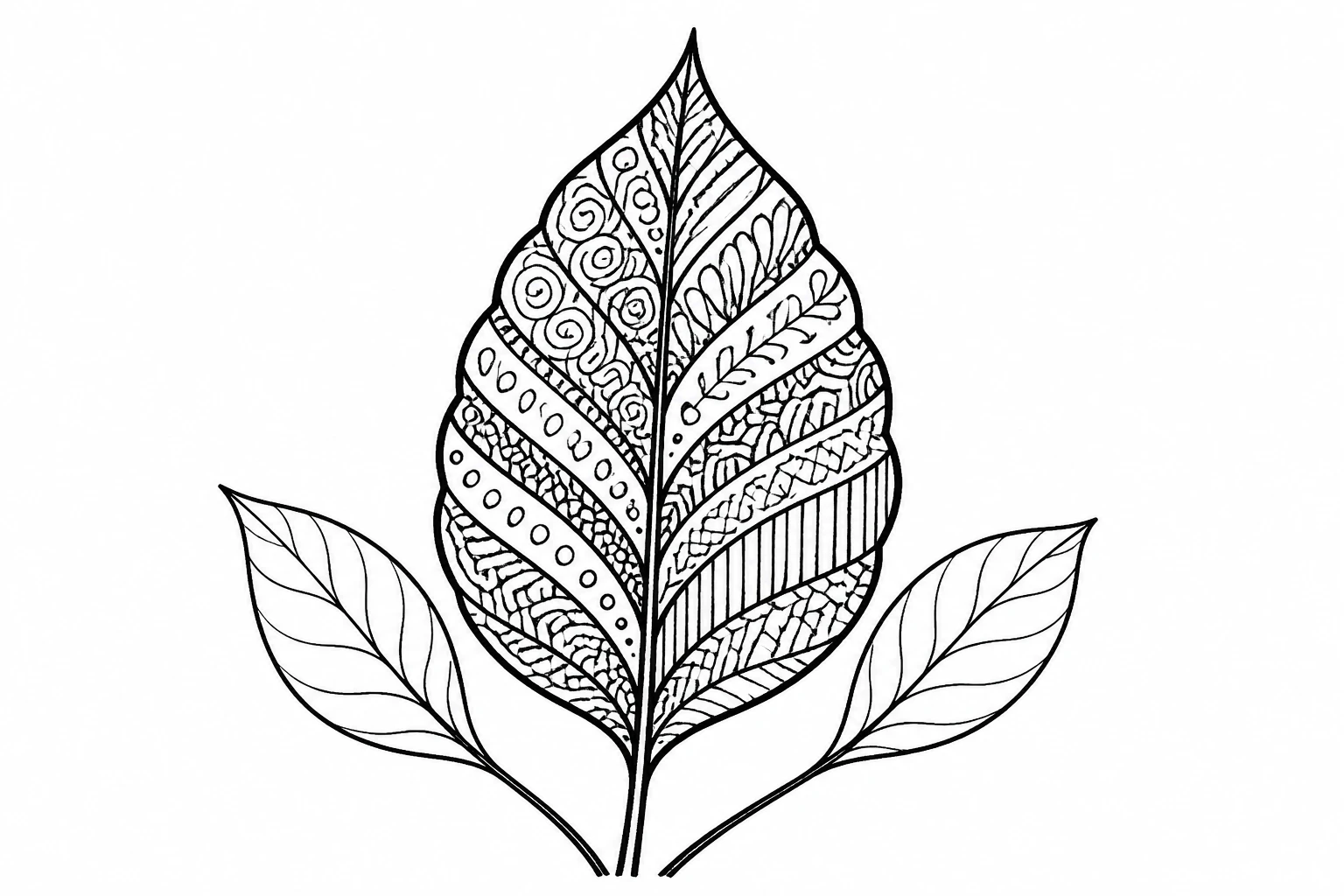
1. Single Vein Leaf with Radiating Zentangle Lines

The first idea centers on a classic leaf silhouette with a bold central vein and evenly spaced branches of micro patterns radiating from it. This look feels grounded, almost architectural, yet still organic enough to be instantly recognizable. The symmetry provides a calm, meditative vibe that invites close study.
How to Draw It
- Draw a simple elongated teardrop shape for the leaf with a crisp pointed tip.
- Sketch a strong central vein down the middle from base to tip and add a tiny stem at the bottom.
- Fill each side of the vein with alternating radial patterns such as hatching, teardrop motifs, and concentric rings, keeping the density balanced.
- Keep the outer edge clean and uniform to maintain a crisp Zentangle feel.
Minimal yet expressive, this design showcases how a single leaf can become a textural field when you repeat and vary patterns along the veins. A graceful silhouette plus crisp lines makes it ideal for a quick social share or a sticker friendly page.
2. Fernlike Fronds in Repeating Zentangle Segments
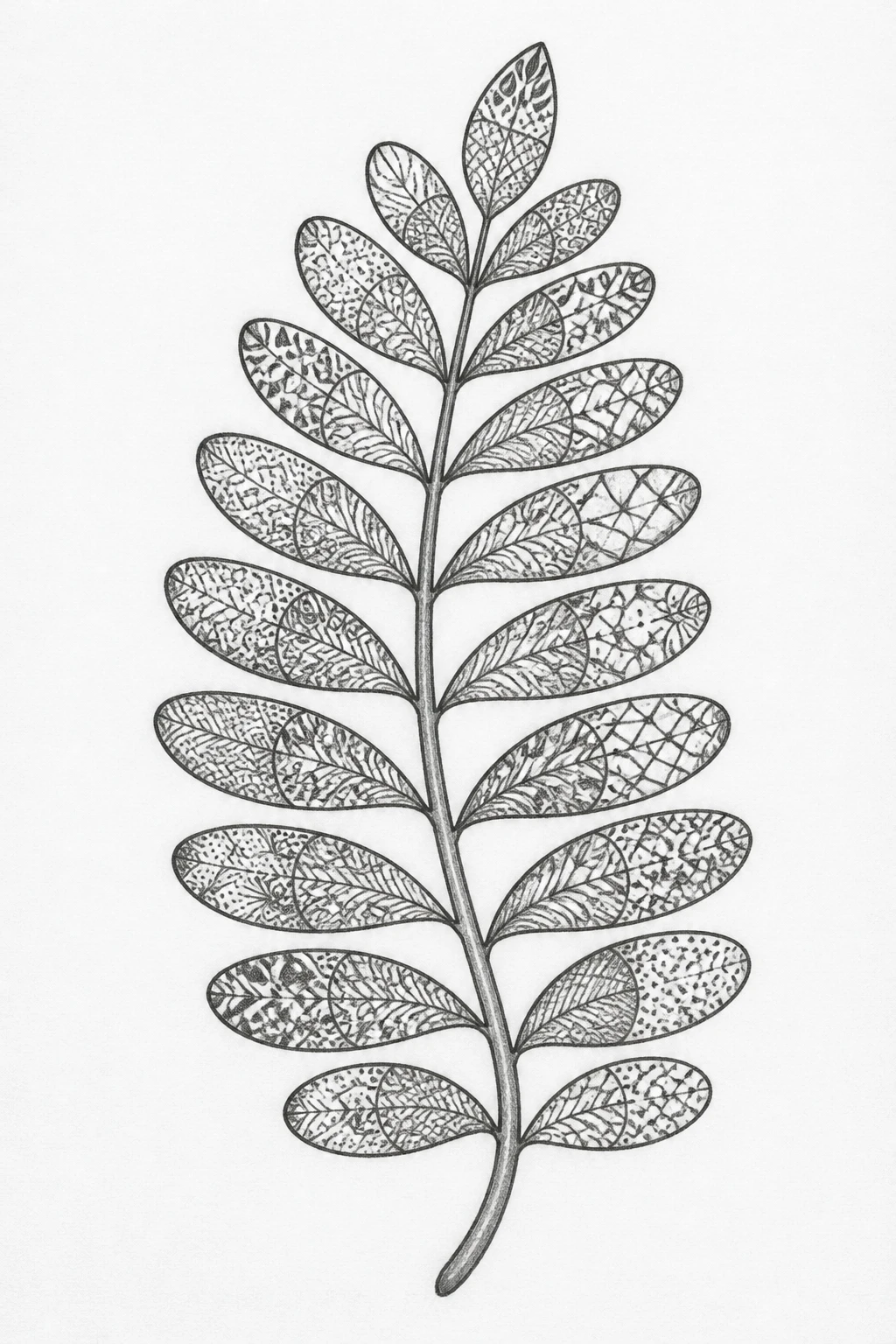
This idea expands the leaf concept into a stylized fern frond with multiple small leaflets arranged along a stem. Each leaflet is filled with its own tiny tile of pattern while maintaining a cohesive overall rhythm. The result is airy, elegant, and distinctly natural.
How to Draw It
- Draw a gently curved stem with several evenly spaced leaflets on each side.
- For each leaflet, create a small teardrop outline and partition the interior into 2–4 micro patterns such as stippling, grid lines, and curved arcs.
- Use varying line weights to separate leaflets and emphasize the central spine of the frond.
- Leave the background white to keep the piece airy and minimal.
One key detail is keeping each leaflet visually similar yet unique in pattern. This repetition with subtle variation invites viewers to zoom in and study the tile work, making it highly shareable as a printable page or Pinterest pin.
3. Leaf Mesh: Interlaced Veins in a Circular Outline
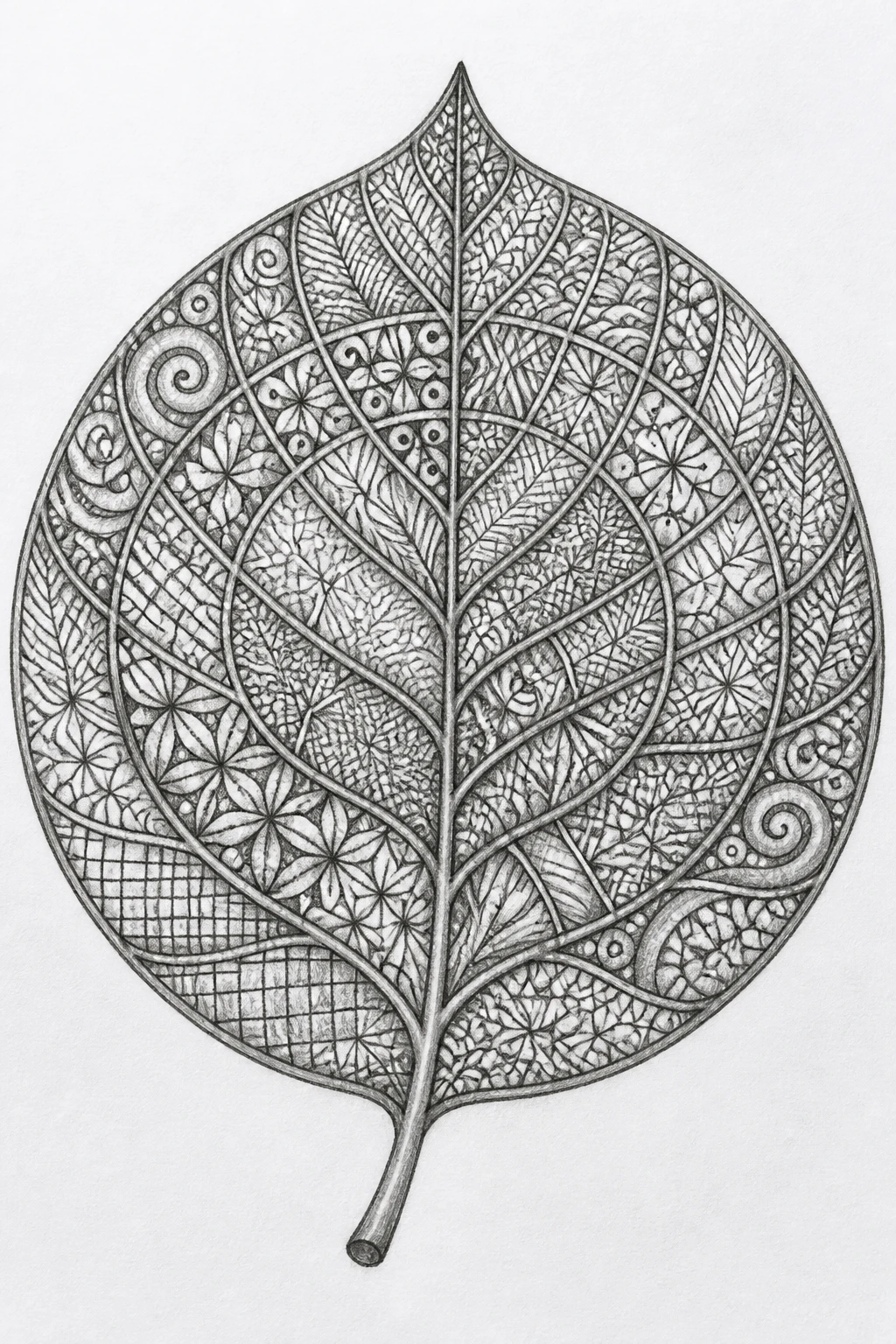
Round leaves become a geometric playground when you interlace their veins to form a delicate lattice. This design plays with negative space and bold outlines, producing a modern Zentangle leaf that looks striking in thumbnails and on notebooks alike.
How to Draw It
- Draw a circular leaf outline with a slightly pointed tip to keep a natural silhouette.
- Sketch a central vein and create a second, parallel vein near the edge to form a ring like a mesh.
- Fill the segmented sections with tiny patterns such as dots, tiny arches, and crosshatching, ensuring even density.
- Emphasize the outer edge with a slightly thicker stroke to anchor the piece.
The mesh effect creates an interesting balance between positive and negative space. It reads as sophisticated and modern, perfect for a wall friendly botanical doodle or a standout pin layout.
4. Leaf Pair in Yin Yang Harmony
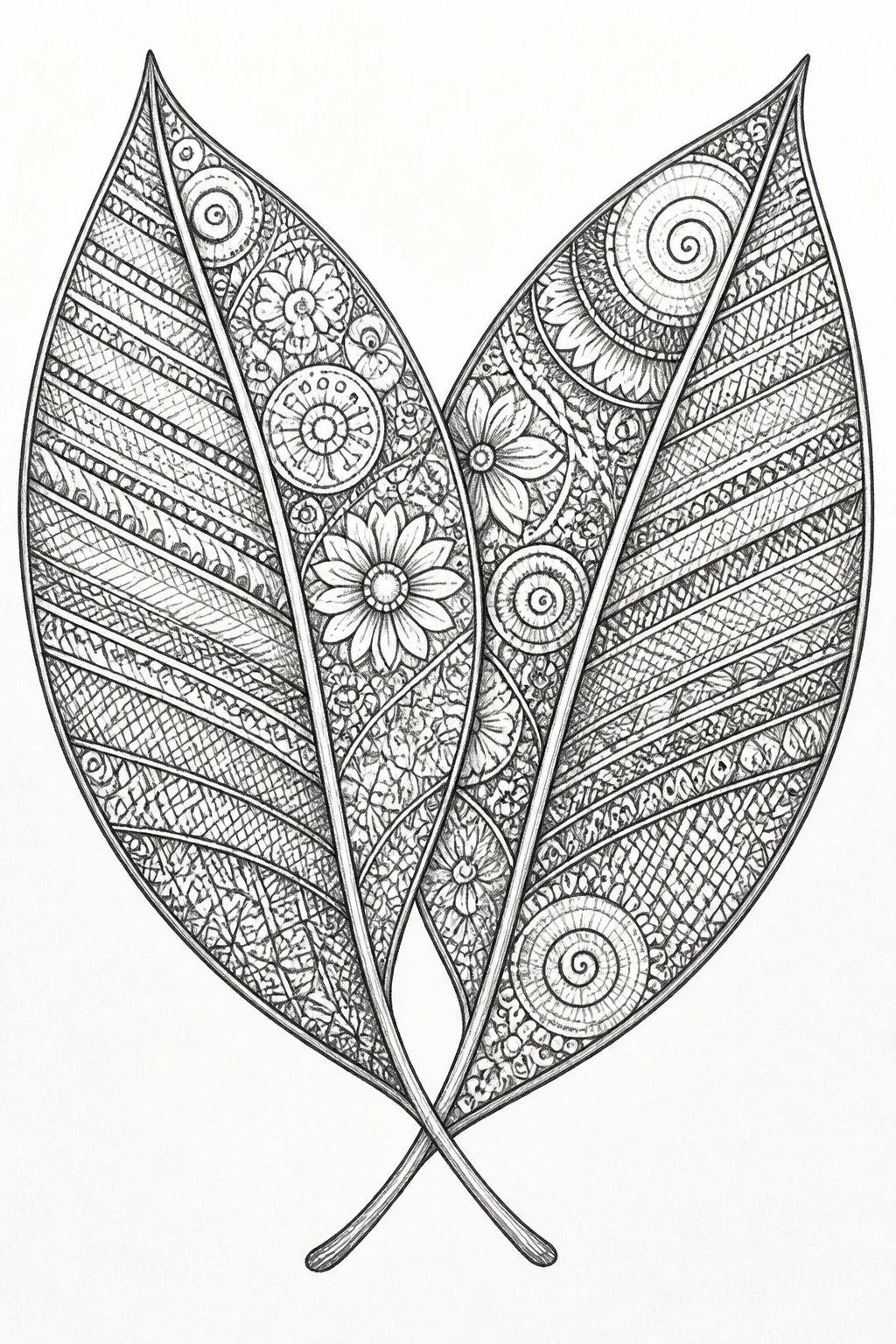
Two leaves overlap in a harmonious composition that nods to yin yang balance. Each leaf carries its own micro patterns, but together they form a clean, integrated unit with a peaceful, almost meditative presence. This idea is ideal for couplet style pins or journal spreads.
How to Draw It
- Draw two leaf outlines of similar size crossing at their bases, forming a gentle X shape.
- Place a simple spine on each leaf and fill one side with a diagonal line pattern while the other side hosts circular motifs or dots.
- Keep the overlap area free of heavy pattern to preserve legibility.
- Finish with a thin shadow along the lower edge to ground the composition.
The subtle symmetry and mirrored patterns provide a clean, easily recognizable image that resonates well in social feeds and printables while staying unmistakably nature inspired.
5. Maple Leaf Zentangle Tile: Silhouette with Intricate Vein Tile
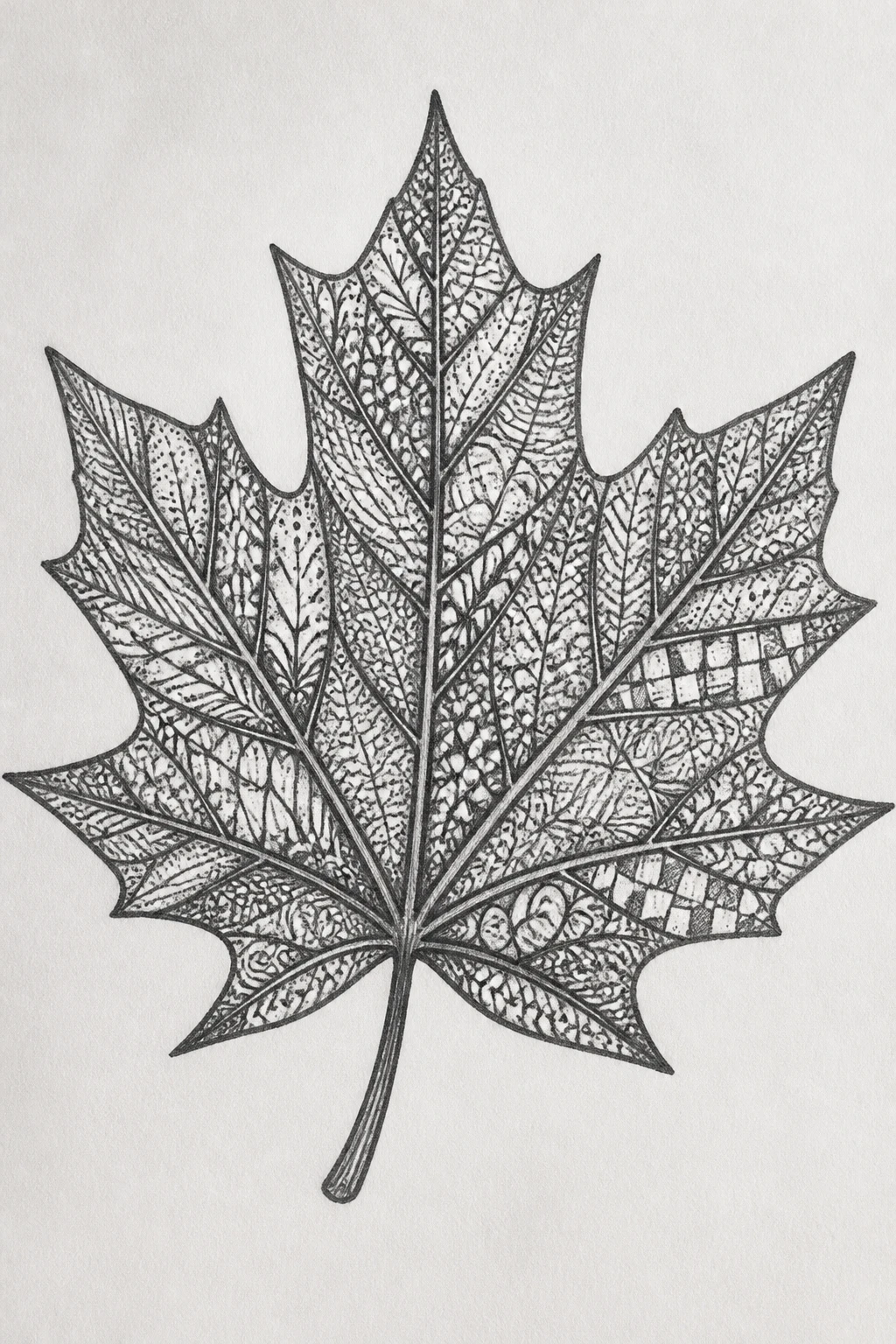
A maple leaf lends a bold silhouette perfect for bold contrast and dramatic black and white tiles. Focus on the distinctive lobed shape and fill the interior with a mosaic of tiny tile like patterns that echo the leaf’s natural vein network.
How to Draw It
- Outline a classic maple leaf with its characteristic points and lobes.
- Draw the main veins breaking into a web of smaller, tile like compartments inside each lobe.
- Fill each compartment with alternating patterns such as lines, dots, stipples, and small chevrons.
- Keep the central area lighter to emphasize the silhouette against a dark background if desired.
This design is highly adaptable for coloring pages or contrasty Pinterest boards, offering a strong focal shape with a rich internal texture that stays visually clear even at small sizes.
6. Leaf Skeleton Study: Vein Diagrams Reimagined
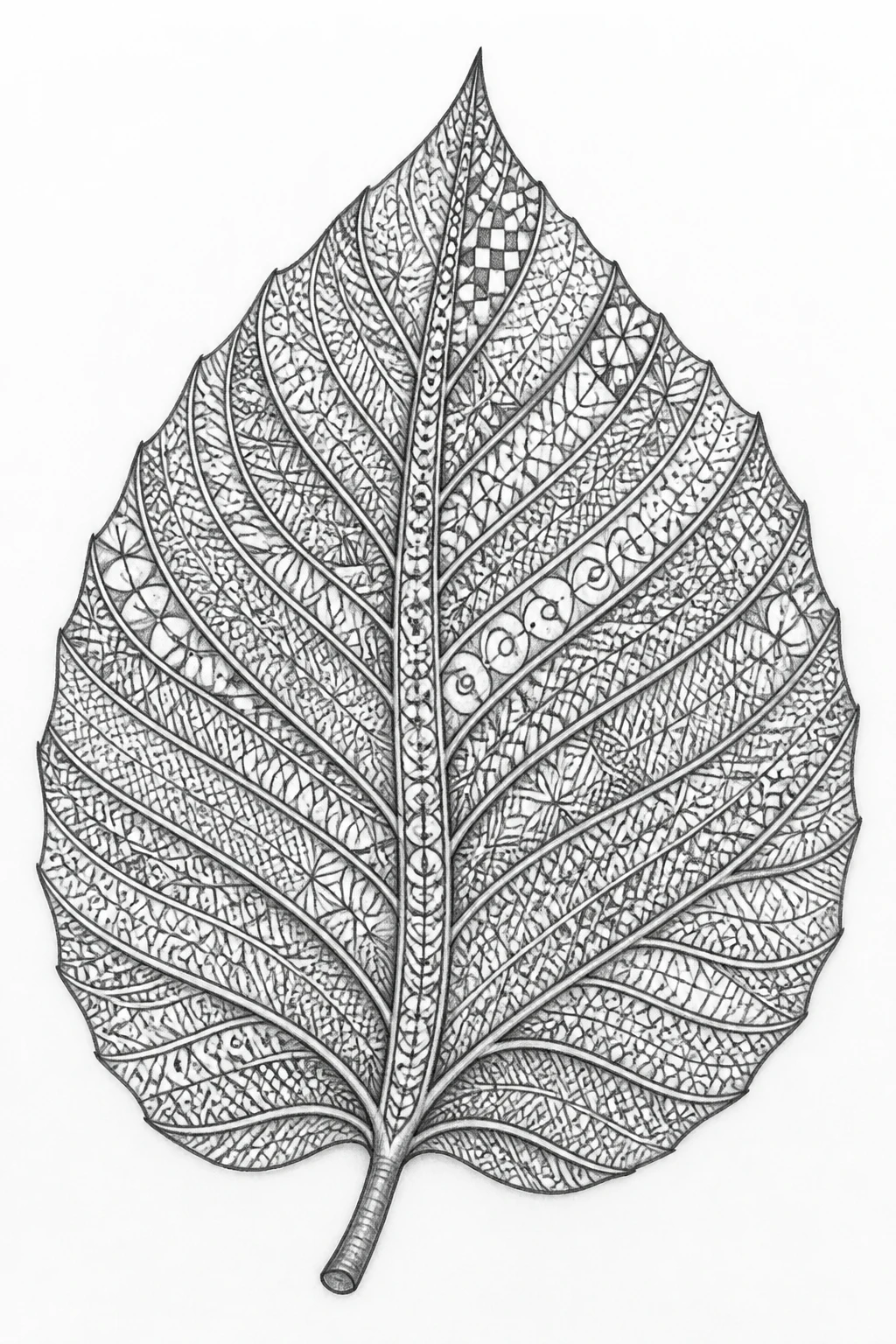
Turn a leaf’s botanical skeleton into a Zentangle study by focusing on its vein structure and turning each vein into a decorative corridor of patterns. The clean skeleton form invites intricate internal design while preserving the leaf’s botanical integrity.
How to Draw It
- Draw a leaf outline with a noticeable main vein and several branching secondary veins.
- Along each vein, create tiny tile like sections that mimic the shape of the vein path.
- Fill each section with restrained patterns such as tiny arcs, microdots, and fine hatch marks.
- Keep the vein lines slightly bolder to guide the eye through the composition.
The skeleton approach emphasizes structure and order, making it a satisfying exercise in balance between uniformity and variation within a natural frame.
7. Sprig of Leaves in a Circular Wreath
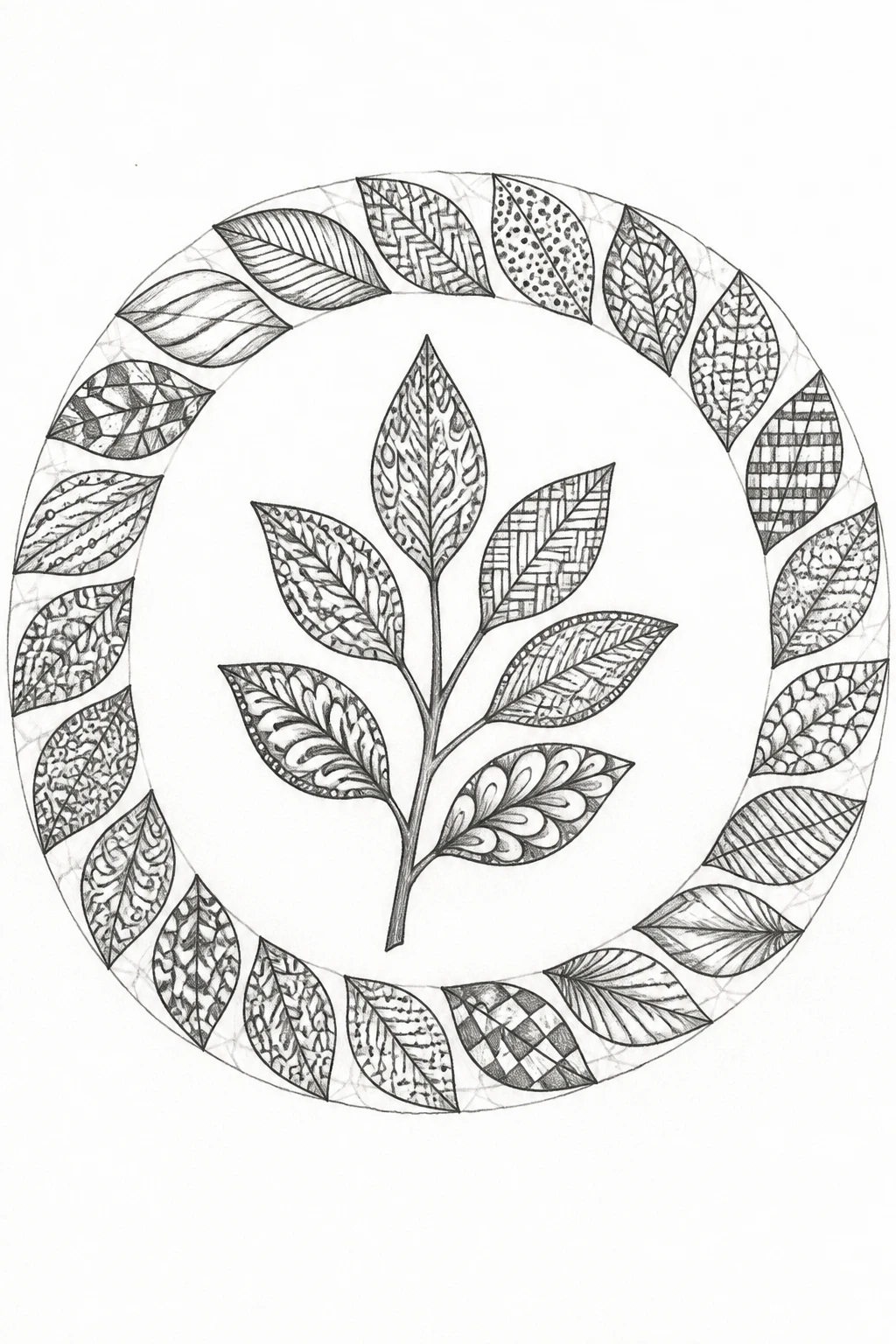
Encase a small sprig of leaves into a circular wreath and sprinkle each leaf with its own micro pattern. The circular frame creates a tidy, Pinterest friendly motif that reads as a botanical badge or stamp style symbol.
How to Draw It
- Sketch a light circular guide, then position a few small leaf shapes around the circumference.
- For each leaf, add a short central vein and fill the blade with a distinct pattern family such as stippling, ladder lines, or zig zags.
- Leave gaps between leaves to maintain airy spacing and prevent crowding.
- Darken the outer circle slightly to unify the wreath.
The circular wreath format is highly versatile for stickers, cards, or a feature on a nature inspired notebook cover, thanks to its compact, complete composition.
8. Crescent Moon Leaf Duo

Two slender leaves curve to form a crescent shape, creating a soft, organic arc that draws the viewer into the design. Each leaf hosts its own micro patterns, but the shared arc anchors the composition as a single harmonious unit.
How to Draw It
- Draw two slender leaves with curved, tapering shapes that meet at one end to form a crescent.
- Divide each leaf into multiple equal sections along the blade and fill with alternating patterns such as tiny diamonds and spirals.
- Keep the overlap area minimal to maintain clarity of each leaf’s vein structure.
- Add a light shading on the inner edge for depth without complicating the overall look.
This simple, elegant duo is perfect for a minimalist poster or a striking Pinterest pin where the beauty lies in clean silhouettes and careful tile work.
9. Acorn Leaf Capstone: A Leaf with Acorn Accent
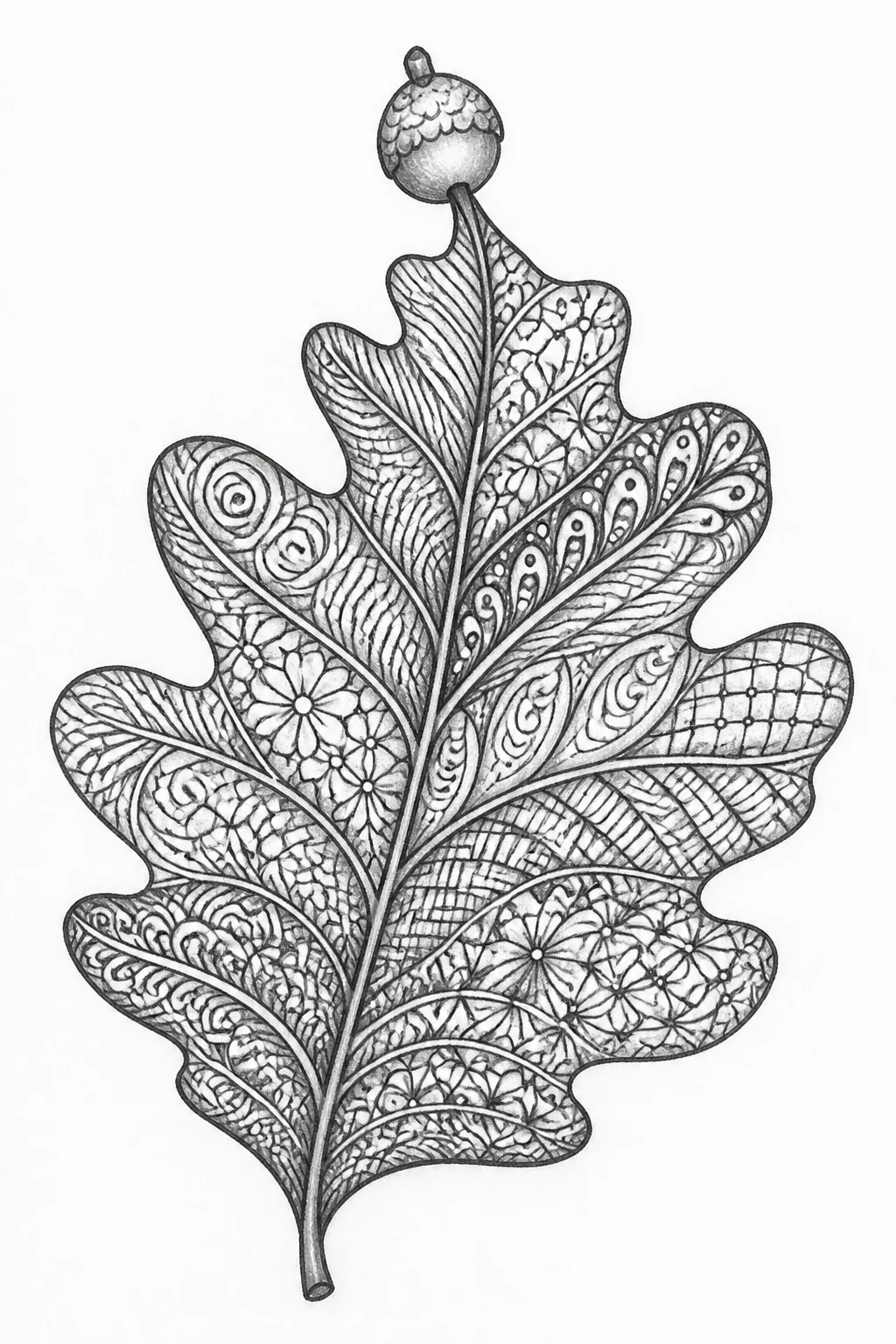
Pair a leaf with a tiny acorn cap perched at the tip to introduce a seasonal and cozy feel. The contrast between the broad leaf and the rounded acorn accent creates a charming focal point with a hint of woodland whimsy.
How to Draw It
- Draw a simple leaf as the main subject, keeping the shape broad and friendly.
- Place a tiny acorn at the leaf tip using a short stem and a rounded cap motif.
- Fill the leaf with a few gentle Zentangle tiles, leaving the acorn mostly plain to stand out.
- Accent the cap with cross hatch lines to mimic texture.
The tiny acorn adds personality without complicating the leaf’s bold silhouette, making it an attractive option for pins and journal spreads alike.
10. Twig and Leaf Forest Scene in Tiny Tiles
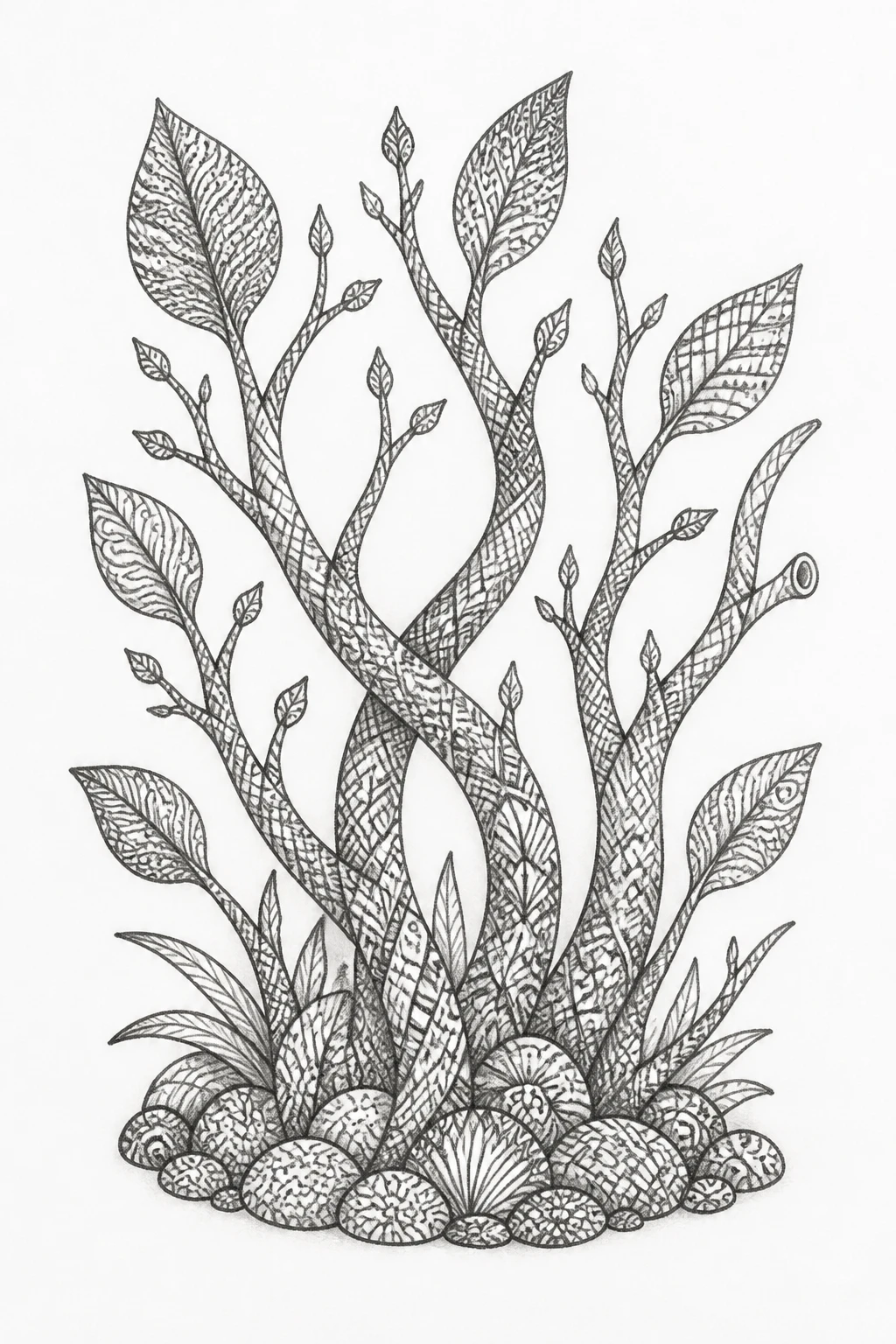
A miniature forest composition with a few twisting twigs and leaves creates a narrative scene in miniature. Each twig and leaf is a potential tile for one or two simple patterns, producing a cohesive little landscape you can fit on a page or a card.
How to Draw It
- Outline a small cluster of twigs with a couple of leaves attached at different angles.
- For each twig and leaf, assign a distinct tile or set of micro patterns that suggest texture without overcrowding.
- Use negative space to suggest distance and depth, keeping the foreground elements crisp and bold.
- Keep the composition compact and balanced so it pins well without losing legibility at small sizes.
Miniature forest vignettes are incredibly shareable because they tell a tiny story while staying visually approachable and clean.
You May Also Like:
12 Zentangle Heart Designs for Simple Decorative Doodles
13 Zentangle Shapes and Patterns to Use in Your Doodles
10 Zentangle Border Ideas for Journals and Sketchbooks
Tips for Making Your Drawings Look Cute and Clean
Start by identifying the leaf silhouette that defines each idea. The silhouette acts as the anchor for your Zentangle patterns, so keep it clear and simple before adding interior tiles. A strong outline and a well placed focal point help the piece read instantly, even when viewed on a small screen.
Keep some white space around each subject to prevent the page from feeling crowded. Thick lines for the outer edge and thinner lines for internal patterns help create contrast and readability. If you plan to publish on social platforms, a bold silhouette against a light background often performs best.
Quick Drawing Tips
- Use basic shapes first to build the leaf’s structure, then layer Zentangle patterns inside.
- Vary line weight to create depth and emphasis without adding clutter.
- Group related tile patterns to maintain a cohesive style across the set.
- Test each idea at a smaller size to ensure it remains legible for pins or thumbnails.
- Practice with a single color palette or two tones to keep the look minimal and stylish.
Remember, the aim is to capture the essence of the leaf while introducing texture through patterns. Consistency in style helps your overall collection feel intentional and professional.
Pick Your Favorite and Start Drawing
The collection of 10 Zentangle Leaf Ideas for Nature-Inspired Doodles is designed to spark quick wins and long term practice. Each subject offers a distinct silhouette and a unique pattern rhythm, giving you a range of vibes from calm and architectural to playful and woodland inspired.
Choose one concept that speaks to you, gather a simple pencil and pen, and start a small study in your sketchbook or a dedicated Pinterest board. You can always mix ideas or adapt the patterns to suit your own style as you grow more confident with Zentangle techniques.
How to Make Simple Drawings Stand Out
In Zentangle leaf drawings, clarity of silhouette is key. Start with a crisp outline, then fill the interior with self contained tiles that stay within the leaf’s boundary. Strong contrast between the leaf and the background helps your design pop in thumbnails and pins.
If you are planning coloring pages or printable worksheets, keep the line work bold yet approachable. Spacious tiles with a few larger motifs will translate well into grayscale prints as well as colored versions.
Optional Tips
- Test several tile shapes in each leaf so you find a pattern family you enjoy using across the collection.
- Experiment with one or two different patterns per leaf to maintain visual interest without overwhelming the viewer.
- Use a light pencil guide to place veins and major divisions before committing to ink.
- Consider scanning your finished drawings to create digital prints or sticker sheets.
- Keep your workspace tidy to help you maintain clean, consistent lines across all ideas.
Most importantly, let your personal style show through subtle modifications in line weight and tile density. Small adjustments can make each leaf feel unique while still presenting a cohesive collection.
Conclusion: Pick Your Favorite and Start Drawing
These 10 Zentangle Leaf Ideas for Nature-Inspired Doodles are crafted to be approachable, shareable, and versatile. The combination of simple leaf silhouettes and rich interior patterns gives you a powerful toolkit for quick wins and longer term practice alike.
Grab a pencil, a notebook, and pick one design to explore today. Focus on clean silhouettes, consistent patterns, and a deliberate focal point. Remember that imperfections can add character and charm, which is exactly what makes hand drawn nature notes feel authentic and inviting.

Hi, I’m Abdul Moeed Shahid, the creator of Sketch and Fun. I’m passionate about helping people of all ages explore their creativity through fun drawing ideas and printable coloring pages. My goal is to make art simple, accessible, and enjoyable for everyone!